You paid for it.
You waited for it to kick in.
And now… it’s gone already?
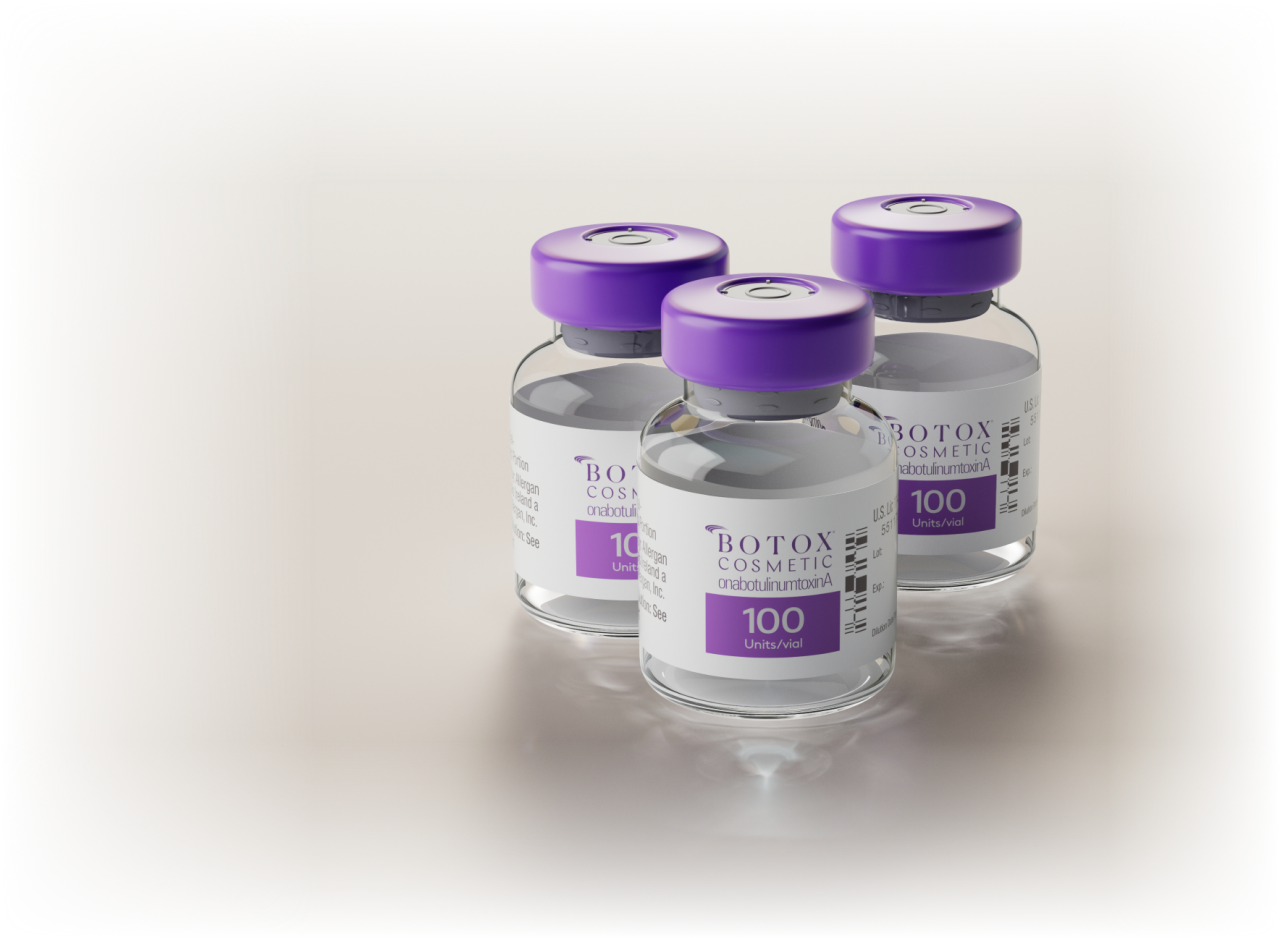
If your Botox seems to fade faster than expected, you’re not imagining things. Botox longevity varies widely, and while most people assume it’s just “bad Botox,” the reality is usually much more nuanced.
Let’s talk about why Botox sometimes wears off early — and what actually matters.
How Long Should Botox Last?
For most patients, Botox lasts around 3–4 months, with some people stretching closer to 5–6 months.
That’s an average, not a guarantee.
Botox doesn’t abruptly stop working. Over time, your nerves slowly rebuild communication with your muscles. Once those signals return, muscle movement comes back — and with it, the appearance of lines.
If your Botox barely lasted six weeks, that’s a sign something else is influencing your results.
The Real Reasons Your Botox Isn’t Lasting
1. Fast Metabolism
Some bodies simply process Botox faster.
Highly active individuals — heavy lifters, endurance athletes, people doing frequent hot yoga or sauna sessions — often metabolize neuromodulators more quickly. This doesn’t mean Botox failed. It means your system is efficient.
Great for fitness. Less great for wrinkle longevity.
2. Antibodies (and the COVID Question)
Yes, this is real. And in my opinion, not as uncommon as you’d think.
With frequent treatments or closely spaced injections, some patients can develop neutralizing antibodies that reduce Botox effectiveness over time. When this happens, Botox may feel weaker or wear off faster.
In recent years, many injectors have noticed more patients reporting shortened Botox duration, raising questions about whether COVID infection or vaccination could play a role. COVID is known to trigger strong immune activation, and antibody formation against biologic therapies is a recognized phenomenon in medicine. Small observational reports and injector surveys have suggested temporarily reduced Botox efficacy in some patients following COVID infection or vaccination.
That said, there is no strong evidence showing permanent Botox resistance related to COVID. Most data are anecdotal, not from large controlled studies.
What is well supported by research is that frequent dosing, high cumulative exposure, and short intervals between treatments increase the risk of antibody development — regardless of COVID history.
Bottom line: COVID may be part of the discussion, but dosing strategy and proper spacing matter far more.
3. Underdosing
This is the most common reason Botox fades early.
Dose equals duration.
If the dose doesn’t match the strength of your facial muscles, results won’t last. This happens most often:
With first-time Botox patients
When injectors are intentionally conservative
When patients ask to “just do a little”
Natural-looking Botox still needs enough units to work.
4. Overusing Muscle-Stimulating Devices
NuFace, EmFace, and other microcurrent tools can be great — but timing matters.
Using muscle-stimulating devices too aggressively or too soon after Botox can counteract its effects by strengthening the very muscles you’re trying to relax.
Helpful tools. Wrong moment.
5. Zinc Deficiency
Zinc plays a role in how Botox works at the neuromuscular junction. Low zinc levels may make Botox less effective, leading to weaker or shorter-lasting results.
To help optimize results, I often recommend taking 50 mg of zinc for the five days leading up to your Botox treatment, and a few days after. No need to overdo it — just enough to support your body’s response.
6. Certain Medications
This is still an evolving area, but there are theories that medications like plaquenil may affect Botox response in some patients.
This hasn’t been well studied yet, so no changes are recommended — just something clinicians are paying attention to.
7. Technique or Product Choice
This part matters more than most people realize.
If Botox isn’t placed into the correct muscle, at the correct depth, using the appropriate product for that area, results won’t last. Longevity depends on:
Anatomical precision
Proper dilution
Matching the product to muscle strength
Understanding how your face moves
It’s not just what’s injected — it’s how and where.
Botox Facts Most People Don’t Know
Botox wears off because nerve endings regenerate, not because your body “flushes it out”
Smaller muscles (like crow’s feet) often hold results longer than larger muscles (like the forehead)
Consistent treatments can train muscles to contract less over time
Botox doesn’t thin skin, but doing treatments too often can atrophy (thin) the muscle layer
What Actually Helps Botox Last Longer?
If your Botox keeps ghosting you, the solution usually isn’t jumping injectors every few months. It’s a personalized plan, which includes:
A dose tailored to your muscle strength
Smart spacing between treatments
Thoughtful product selection
Realistic expectations
An injector who reassesses your facial movement every visit
Botox isn’t one-size-fits-all — and when it’s done thoughtfully, it shouldn’t feel like a gamble.
The Bottom Line
If your Botox isn’t lasting, there’s almost always a reason — and most of them are fixable.
Your face isn’t broken.
Your Botox isn’t bad.
You probably just need a smarter strategy.
And if your Botox is ghosting you?
Chances are… now you know why.
REFERENCES:
McCoy Stengel A, Stengel JC. Lack of Treatment Efficacy and Duration of OnabotulinumtoxinA and AbobotulinumtoxinA Post Sars-COV-2 Infection and COVID Vaccination. Plast Aesthet Nurs (Phila). 2025 Jul-Sep 01;45(3):150-156. doi: 10.1097/PSN.0000000000000610. Epub 2025 Jul 9. PMID: 40627796.
Simpson LL. The interaction between aminoquinolines and presynaptically acting neurotoxins. J Pharmacol Exp Ther. 1982 Jul;222(1):43-8. PMID: 6283072.